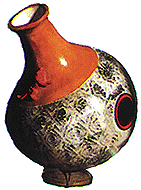
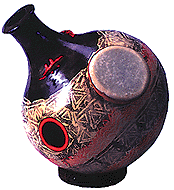
Mbwata
Udonga

These udus are made in the traditional style, built by hand from long coils of clay and then paddled and scraped into shape. They are not thrown on a potter's wheel or made from molds. The gradual process of creating an udu takes approximately a month. The instruments with original organic designs and colors have been fired in a pit filled with wood, which produces these unique effects.
The beautiful Udu Drum originates from Nigeria. Surprisingly, it began not as a percussion instrument, but as a common clay pot made for carrying water. When a potter from the ancient Ibo tribe inadvertently made an opening in the side of one of his vase-shaped water vessels, he discovered the pot's earthy, musical sound. Because some believed its haunting tone to be the "voice of the ancestors," the simple side-hole drum - sculpted entirely from earth, water, fire, and air - came to be an important part of religious ceremonies in southern and central Nigeria. Though the drum had different names depending on the region in which it was used, "udu" was the Ibo name, meaning both "pottery" and "peace" in the tribal language.
Today's Udu Drum has become accessible to the world's percussionists through the efforts of one man - artist, industrial designer, and master ceramicist, Frank Giorgini. Some twenty years ago, Giorgini began painstakingly hand crafting the clay drums by traditional Nigerian pottery techniques and engineering them to acoustic perfection. He created a versatile musical instrument that appealed to percussionists and was so beautifully designed it was added to the permanent collection of the Metropolitan Museum of Art in New York City. As the demand for his handmade drums grew, the designer was moved to devise a system for producing them in greater quantities, more quickly. Through a slipcasting process, he produced his Claytone Series - Udu's with the same quality tone of the hand-sculpted originals, but more easily made. Now, LP Music Group continues that process, producing Udu drums that have "the voice of the ancestors."
Percussion Instruments of India
Antique Percussion Instruments
Percussion Instruments of Asia